
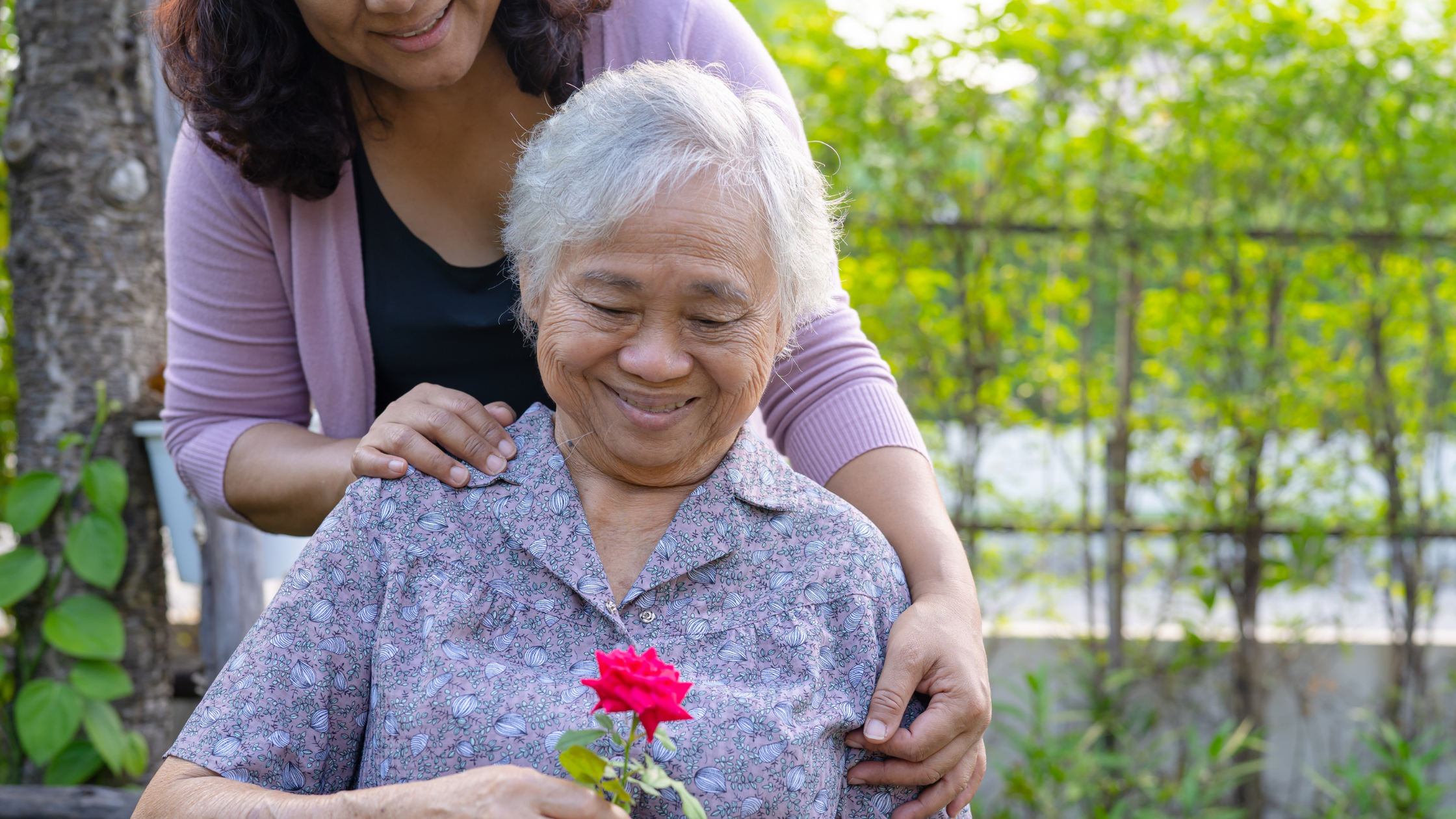
For many Columbus seniors, home represents much more than four walls. It may be the place where family traditions began, children were raised, familiar routines were established, and decades of memories were made. Remaining at home can provide a sense of comfort, dignity, control, and connection that may be difficult to recreate somewhere new.
For seniors in Columbus and throughout Central Ohio, successfully aging in place requires more than simply wanting to remain at home. It may involve home-safety improvements, dependable transportation, healthy routines, social connection, family communication, access to community resources, and the right amount of personalized assistance.
Families do not have to wait for a fall, hospitalization, or other emergency to begin making changes. Small, proactive steps can help Columbus seniors maintain their independence longer while giving their loved ones greater peace of mind.
1. Include Your Loved One in Every Decision
Helping an older adult remain independent should begin with one important principle: independence includes having a voice.
It can be tempting for family members to take control when they notice changes in mobility, memory, nutrition, driving, or household upkeep. Although these concerns usually come from a place of love, making decisions without involving the senior can leave them feeling ignored or powerless.
Begin with an open and respectful conversation. Consider asking:
Which daily activities are becoming more difficult?
What parts of your routine are most important to you?
Are there any tasks you would welcome help with?
What concerns do you have about accepting support?
What would help you feel safer or more comfortable at home?
Are there places around Columbus you want to continue visiting regularly?
Focus on providing support rather than taking over. A senior may not need someone to complete every activity for them. They may simply need transportation to the grocery store, help carrying laundry, assistance preparing a meal, or a companion present while they complete their routine.
Person-centered care respects each individual’s preferences, abilities, goals, and established way of life.
2. Make Home Safety and Fall Prevention a Priority
A familiar home can become more difficult to navigate as vision, hearing, balance, strength, or mobility changes. Because a fall can quickly affect an older adult’s confidence and independence, families should regularly review the home for potential hazards.
Walk through each room with your loved one and look for loose rugs, electrical cords, cluttered walkways, dim lighting, slippery bathroom surfaces, unstable furniture, uneven steps, and missing handrails. Keep frequently used items within easy reach, install grab bars and nonslip materials where needed, and make sure entrances, porches, driveways, and sidewalks are well lit.
Columbus weather can create additional risks during the winter. Have a plan for clearing snow and ice from steps, ramps, and frequently used walkways.
Daily habits also play an important role in preventing falls. Encourage your loved one to wear supportive shoes, use prescribed mobility devices, keep a phone or medical-alert device nearby, rise slowly from beds and chairs, and avoid walking through dark rooms or carrying heavy items on stairs. Regular vision and hearing checks can also help, and dizziness or balance concerns should be discussed with a healthcare professional.
Home-safety needs can change over time, so reassess the home after a fall, illness, hospitalization, or change in mobility. The goal is not to make seniors fearful of moving around, but to help them move through their home with greater safety and confidence.
3. Simplify Everyday Household Tasks
Maintaining a home requires energy, mobility, and organization. Tasks that once felt routine can gradually become tiring, frustrating, or unsafe.
Look for ways to simplify the home while allowing the senior to remain involved. Helpful changes may include:
Moving everyday dishes to an accessible cabinet
Using lightweight cookware
Organizing clothing by season
Placing laundry supplies within easy reach
Setting up automatic bill payments
Creating a visible calendar for appointments
Keeping basic cleaning supplies on each floor
Replacing difficult knobs with lever-style handles
Scheduling regular light housekeeping
Arranging seasonal help with leaves, snow, or yardwork
Setting up grocery or household-supply deliveries
A clean, organized environment can reduce stress and make it easier for seniors to continue their familiar routines.
4. Support Regular Meals and Grocery Shopping
Good nutrition supports energy, strength, cognitive health, and overall well-being. However, meal preparation can become more challenging when a senior has limited mobility, a reduced appetite, difficulty driving, or little motivation to cook for one person.
Families may notice:
An empty refrigerator
Expired or spoiled food
Unexplained weight changes
Frequently skipped meals
Reliance on snacks instead of balanced meals
Difficulty opening containers
Trouble following recipes
Repeatedly purchasing the same limited foods
Make mealtimes easier by preparing ingredients in advance, stocking simple options, labeling containers clearly, and keeping nutritious foods easy to reach. Whenever possible, invite the senior to help plan meals so their preferences, dietary needs, and family traditions are respected.
Columbus-area families may also explore community nutrition resources. Franklin County Senior Options includes home-delivered meals among its available services for eligible residents, while LifeCare Alliance provides meal and nutrition programs for older and homebound adults in Central Ohio.
Concerns about swallowing, unexplained weight loss, dietary restrictions, or significant appetite changes should be discussed with an appropriate healthcare professional.
5. Create a Reliable Columbus Transportation Plan
Giving up driving or reducing time behind the wheel can be a major emotional adjustment. Driving often represents freedom, spontaneity, and independence.
Without dependable transportation, seniors may begin missing medical appointments, avoiding social activities, postponing errands, or relying heavily on family members. Over time, limited transportation can contribute to isolation and make aging at home more difficult.
COTA Mainstream provides origin-to-destination transportation for individuals whose functional limitations prevent them from using fixed-route vehicles. Riders must complete an application and be certified as eligible before using the ADA paratransit service.
Franklin County Senior Options may also provide transportation and other supportive services for qualifying Franklin County residents age 60 and older who have an unmet need for assistance.
When discussing driving concerns, approach the conversation respectfully. Focus on safety and continued access rather than simply taking away the keys. A clear transportation plan can help seniors remain active in the Columbus community and maintain greater control over their schedule.
6. Establish Simple Medication Routines
Medication schedules can become difficult to follow, particularly when prescriptions are taken at different times or instructions change after a medical appointment or hospital stay.
A senior may benefit from:
A current written medication list
A clearly labeled pill organizer
Phone or clock alarms
A printed daily schedule
Pharmacy synchronization
Automatic refill reminders
Regular medication reviews with a physician or pharmacist
Family members should watch for missed doses, duplicate doses, confusion about instructions, expired medications, and difficulty opening containers. Questions or concerns should always be directed to the prescribing provider or pharmacist.
7. Encourage Safe and Comfortable Technology Use
Technology can help Columbus seniors communicate, organize their day, attend virtual appointments, get directions, order groceries, and call for assistance.
AARP’s 2026 technology research found that smartphone ownership among adults age 50 and older reached 90% in 2025, demonstrating how integrated digital tools have become in older adults’ daily lives.
Helpful aging-in-place technology may include video calling, medical-alert systems, voice-activated assistants, automatic lighting, smart doorbells, digital calendars, appointment reminders, medication alarms, location sharing with permission, online grocery delivery, weather alerts, and transportation-booking applications.
Choose tools based on the senior’s comfort level and actual needs. Complicated devices can create frustration rather than independence.
Set up technology together, increase the text size when possible, write down simple instructions, and practice using important features. Families should also discuss online safety, suspicious messages, password security, impersonation scams, and unexpected requests for money.
Technology should support human care, not replace regular conversation, observation, and meaningful personal connection.
8. Support Social Connection and a Consistent Routine
A senior may be physically safe at home and still struggle with loneliness. Retirement, the loss of a spouse, reduced mobility, hearing changes, or no longer driving can gradually reduce social interaction and make daily life feel less structured.
Encourage regular family calls, visits with friends and neighbors, hobbies, shared meals, community activities, outdoor time, and outings when possible. Columbus Recreation and Parks offers programs for adults age 60 and older, while Columbus and Franklin County Metro Parks also provide activities that may appeal to older adults.
A dependable daily routine can also support emotional well-being. Regular meals, medications, light activity, hobbies, household tasks, social time, and rest can help each day feel more manageable. During very hot, cold, snowy, or rainy weather, indoor activities such as puzzles, crafts, movies, phone calls, or visits from a companion can help maintain structure.
Build the routine around the senior’s preferences rather than creating an overly rigid schedule. The goal is to provide stability, connection, and choice. Watch for withdrawal, mood changes, loss of interest, poor self-care, or significant changes in sleeping or eating, as these concerns may need to be discussed with a healthcare professional.
Independence Is Stronger With the Right Support
Helping Columbus seniors remain independent at home requires more than an organized medication schedule or a few home-safety modifications. Successful aging in place brings together physical safety, healthy meals, dependable transportation, social connection, meaningful routines, family involvement, community resources, and personalized support.
The best care plan respects the senior’s preferences, preserves their sense of control, and prepares for changing needs over time.
Companion Care provides personalized, non-medical home care designed to help seniors maintain their independence, comfort, safety, and quality of life. Our Columbus location is part of a broader service network in Ohio, Pennsylvania, and Florida. Available services include companionship, meal preparation and shopping, medication reminders, transportation, personal care, pet care, light housekeeping, respite care, memory care, transition care, and other individualized support.
Whether your loved one needs occasional assistance or more consistent support, the Companion Care team will take time to understand your family’s needs and create a customized care plan. By starting conversations early and introducing help gradually, Columbus families can support their loved ones in remaining comfortable, confident, safe, and connected in the place they call home.
Contact Companion Care today to learn how personalized in-home companion care in Columbus, Ohio, can help your loved one continue living safely and comfortably at home.