
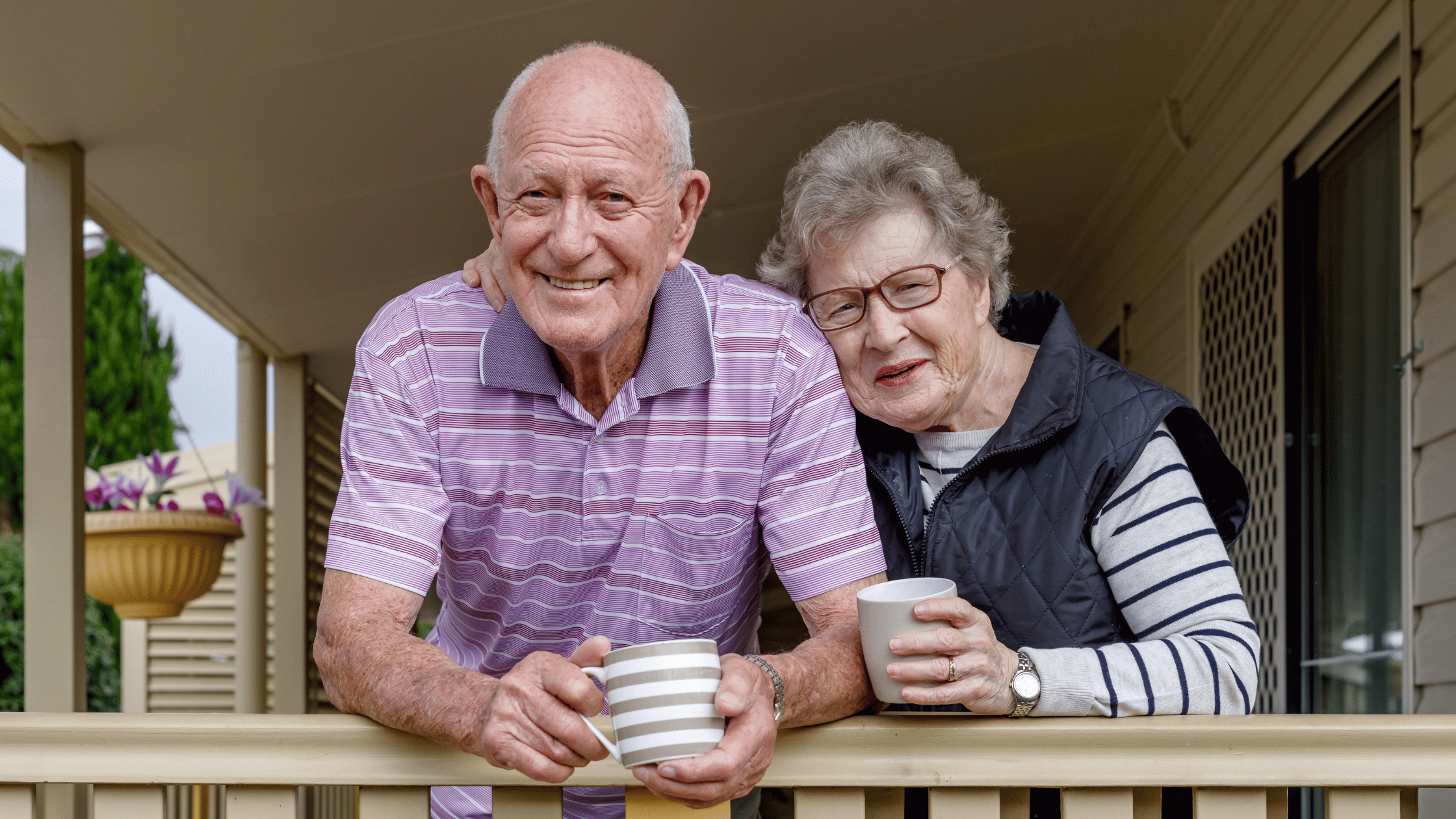
For many older adults, home is more than a place to live. It's where memories were made, families were raised, and life has been built over decades. It's no surprise that most seniors prefer to remain in the comfort of their own homes for as long as possible. In fact, aging in place has become one of the most important priorities for today's seniors and their families.
While staying at home offers familiarity and independence, it also comes with responsibilities. Families often find themselves asking important questions: Is Mom safe living alone? Is Dad getting the support he needs? Are there steps we can take to help our loved one continue living comfortably and confidently at home?
Creating a safe and supportive environment is one of the most effective ways to help seniors maintain independence while protecting their health, well-being, and quality of life. Let's explore practical ways to create a supportive atmosphere for seniors.
A Safe Home Environment Matters
As we age, everyday activities can become more challenging. Changes in mobility, vision, hearing, balance, and memory can increase the risk of accidents and make routine tasks more difficult.
A safe environment helps seniors:
Maintain independence longer
Reduce the risk of falls and injuries
Feel more confident at home
Stay engaged in daily activities
Support overall senior wellness
Just as importantly, a supportive environment promotes emotional well-being. When seniors feel safe, connected, and capable, they are more likely to enjoy a higher quality of life at home.
Understanding the Challenges Seniors Face at Home
Many safety concerns develop gradually, making them easy to overlook.
Common challenges include:
Reduced mobility
Difficulty climbing stairs
Poor lighting
Increased fall risk
Memory-related concerns
Social isolation
Difficulty managing household tasks
Limited transportation options
These challenges don't necessarily mean a senior needs assisted living or medical care. Often, simple adjustments and the right support system can make a significant difference.
Fall Prevention Starts at Home
Falls remain one of the leading causes of injury among older adults. Fortunately, many fall risks can be addressed through proactive planning.
Reduce Clutter
Keep pathways clear and remove unnecessary obstacles such as:
Loose rugs
Extension cords
Excess furniture
Storage boxes in walkways
Improve Lighting
Good lighting is essential throughout the home, especially:
Hallways
Staircases
Bathrooms
Entryways
Consider adding motion-sensor lighting for added safety.
Install Safety Features
Helpful additions include:
Grab bars in bathrooms
Handrails on stairs
Non-slip mats
Raised toilet seats
Shower chairs
These simple improvements can significantly reduce the likelihood of accidents.
Supporting Daily Living Activities
Many seniors want to remain independent but may need occasional assistance with everyday tasks.
Daily living support might include:
Meal preparation
Grocery shopping
Light housekeeping
Laundry
Transportation
Appointment reminders
This is where non-medical home care can make a meaningful difference.
Rather than taking over responsibilities, companion caregivers provide support that helps seniors continue participating in their daily routines while maintaining dignity and independence.
The Importance of Emotional Support
Creating a supportive environment goes beyond physical safety.
Many seniors experience major life transitions such as retirement, loss of loved ones, or changes in health. These experiences can lead to feelings of loneliness, anxiety, and isolation.
Providing emotional support for seniors is essential for overall wellness.
Signs a senior may be struggling emotionally include:
Withdrawal from activities
Increased sadness
Irritability
Lack of motivation
Expressions of loneliness
Compassionate companionship can help address these challenges by providing regular social interaction and meaningful connection.
Combating Loneliness Through Companionship
One of the most overlooked aspects of senior well-being is social connection.
Research continues to highlight the impact of loneliness in older adults, which can affect both emotional and physical health.
Companion care helps seniors stay connected through:
Friendly conversation
Shared meals
Recreational activities
Community outings
Ongoing relationship-building
Regular companionship can improve mood, increase engagement, and help seniors feel valued and supported.
Creating a Routine That Promotes Wellness
Consistency provides comfort.
Many seniors benefit from having a predictable daily routine that includes:
Regular meals
Physical activity
Social interaction
Hobbies and interests
Rest and relaxation
Structured routines support senior wellness at home while helping individuals maintain a sense of purpose and control.
Companion caregivers often play an important role in encouraging healthy habits and keeping seniors engaged in activities they enjoy.
Supporting Aging in Place
The majority of seniors prefer to remain at home rather than move into a care facility.
This desire has fueled growing interest in aging in place support and senior care options at home.
Creating a successful aging-in-place plan often includes:
Home safety modifications
Transportation assistance
Social engagement
Daily living support
Family involvement
Companion care services
When these elements work together, seniors can remain independent longer while enjoying greater peace of mind.
The Value of Personalized Companion Care
Every senior has unique needs, interests, and goals.
That's why personalized care is so important.
Unlike one-size-fits-all approaches, senior companion care focuses on the individual. Companion caregivers provide one-on-one support tailored to each person's preferences and lifestyle.
This may include:
Accompanying a senior on walks
Helping with favorite hobbies
Providing transportation to appointments
Sharing meals and conversation
Offering encouragement and companionship
These relationships often become one of the most valuable aspects of care.
Helping Families Feel Confident
Supporting an aging loved one can be rewarding, but it can also be stressful.
Family members often worry about:
Safety
Isolation
Missed medications
Nutrition
Overall well-being
Having trusted support in place provides peace of mind.
With in-home companion care, families know someone is regularly checking in, offering assistance, and helping their loved one stay engaged and independent.
Signs It May Be Time to Seek Additional Support
Many families wait until a crisis occurs before seeking help.
However, early support often leads to better outcomes.
Consider exploring companion care for seniors if you notice:
Increased loneliness
Difficulty maintaining the home
Missed appointments
Changes in mood or behavior
Declining mobility
Challenges with daily routines
Companion care can provide the support needed to help seniors continue living safely and comfortably at home.
Safety and Support Go Hand in Hand
A safe home environment is about more than grab bars and good lighting. It's about creating a space where seniors feel secure, connected, and supported every day.
By addressing physical safety, encouraging emotional well-being, and providing meaningful companionship, families can help loved ones maintain independence and enjoy a higher quality of life at home.
If you're looking for in-home companion care, help for seniors living at home, or senior companion care services in Pennsylvania, Ohio, or Florida, Companion Care is here to help.
Our compassionate team provides personalized, non-medical support that helps seniors remain independent, connected, and comfortable in their own homes. Contact Companion Care today to learn more about our services or explore rewarding career opportunities helping seniors thrive at home.